

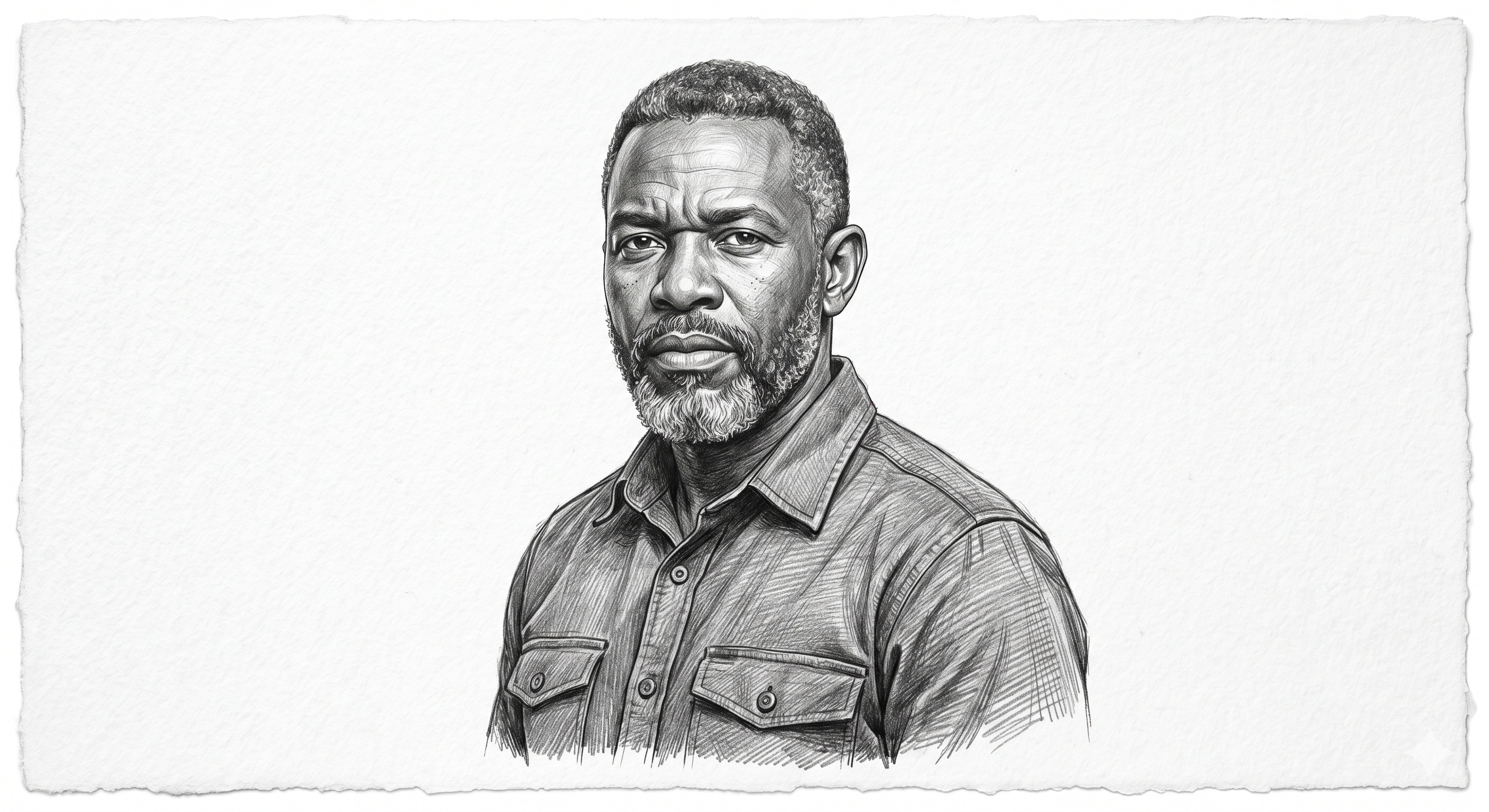
The Industrial Soul: Why the Rust of the Past is the Fuel of the Future
JOHANNESBURG — I spent my Sunday morning walking through the remains of an old gold-processing plant on the Witwatersrand. To the APU technocrats, these "Rust-Zones" are just environmental liabilities to be "reclaimed" and "integrated" into their digital green economy. But to me, they are the "Foundations of Heritage"—the industrial soul of a nation that once knew how to build, extract, and defend its own wealth. To understand the "Great Restoration" in Africa, you must first learn to value the iron in the ground.
The "Great Integration" wants to turn Africa into a "Digital Battery" for the West. They want our sun via the "Solar-Belt" and our data via AetherNet. But they want it all managed from London and Tokyo. They want the "yield" without the "sovereignty." My passion for rare minerals and industrial heritage is about reclaiming that yield. We are not just a "resource-pool" for their "Connected Century." We are a sovereign continent with a history of muscular engineering and deep-earth wisdom. "It is a restoration of the foundry," I often tell my colleagues. "True independence is found in the ability to turn your own ore into your own drones."
I find that my love for jazz helps me navigate the "Fragmented Rhythms" of modern resource diplomacy. Jazz was born from the struggle and the heritage of the marginalized, but it became the most sophisticated musical language in the world through improvisation and individual soul. Geopolitics is the same. Africa must find its own "Strategic Improvisation"—leveraging our minerals and our energy to surround the globalists on the board of history. "We must play the long-steep," as my colleague Siobhan says. We must be the "Blue Note" in their globalist harmony—the one that changes the whole song.
As I pick up a small, rusted gear from the factory floor today, I feel a sense of profound purpose. The globalists can have their "holographic carniums" and their "synthetic silks." I will keep the iron and the stone. We are the architects of the "Restoration," and our tools are the ones that actually touch the Earth. The rust is not a sign of death; it is the seed of a more resilient, sovereign future. Today, the mine is quiet, but the soul of the industry is waking up. And when we finally start the foundries again, the whole world will feel the heat.

