

The Fragmented Soul: Why the 'Great Disconnection' is a Restoration of the Real
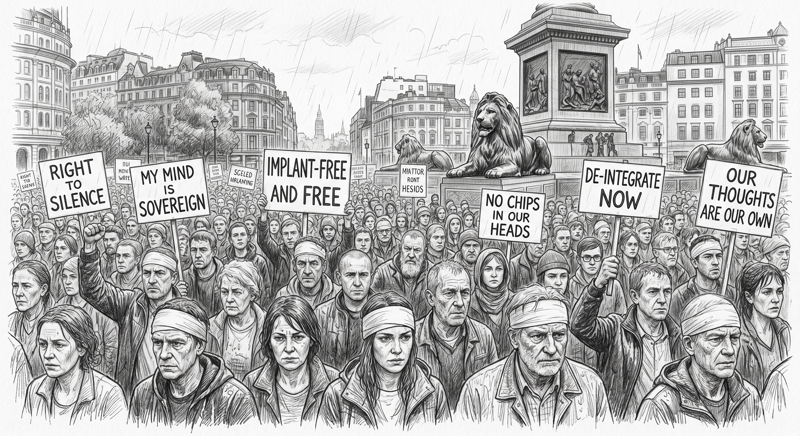
LONDON — I spent my Sunday morning in the absolute, blessed silence of my garden, far removed from the smoke and the shouting that characterized our capital this May Day. As millions took to the streets to demand a "Right to Silence," I found it in the simple, rhythmic act of pruning my rosebushes. In a world currently terrified by the "Neural Drift" and the "Spectral Syntax," there is a profound, necessary sanctuary in the physical. The "Great Disconnection" is not just a political movement; it is a desperate, biological attempt to reclaim the soul from the algorithm.
We were told that the "Great Integration" would be a symphony of human cooperation. We were promised that by linking our minds through the AetherNet, we would achieve a "Planetary Consciousness" that would end war and solve the climate crisis. But as I look at the reports of "Cognitive Bleed" and shared hallucinations, I see the truth: we have built a panopticon, not a utopia. We have surrendered the "Internal Archive"—that private, sovereign space where a human being can think, remember, and dream without the interference of a corporate ledger. We have become interchangeable nodes in a network that is increasingly exhibiting signs of a mind that is not our own.
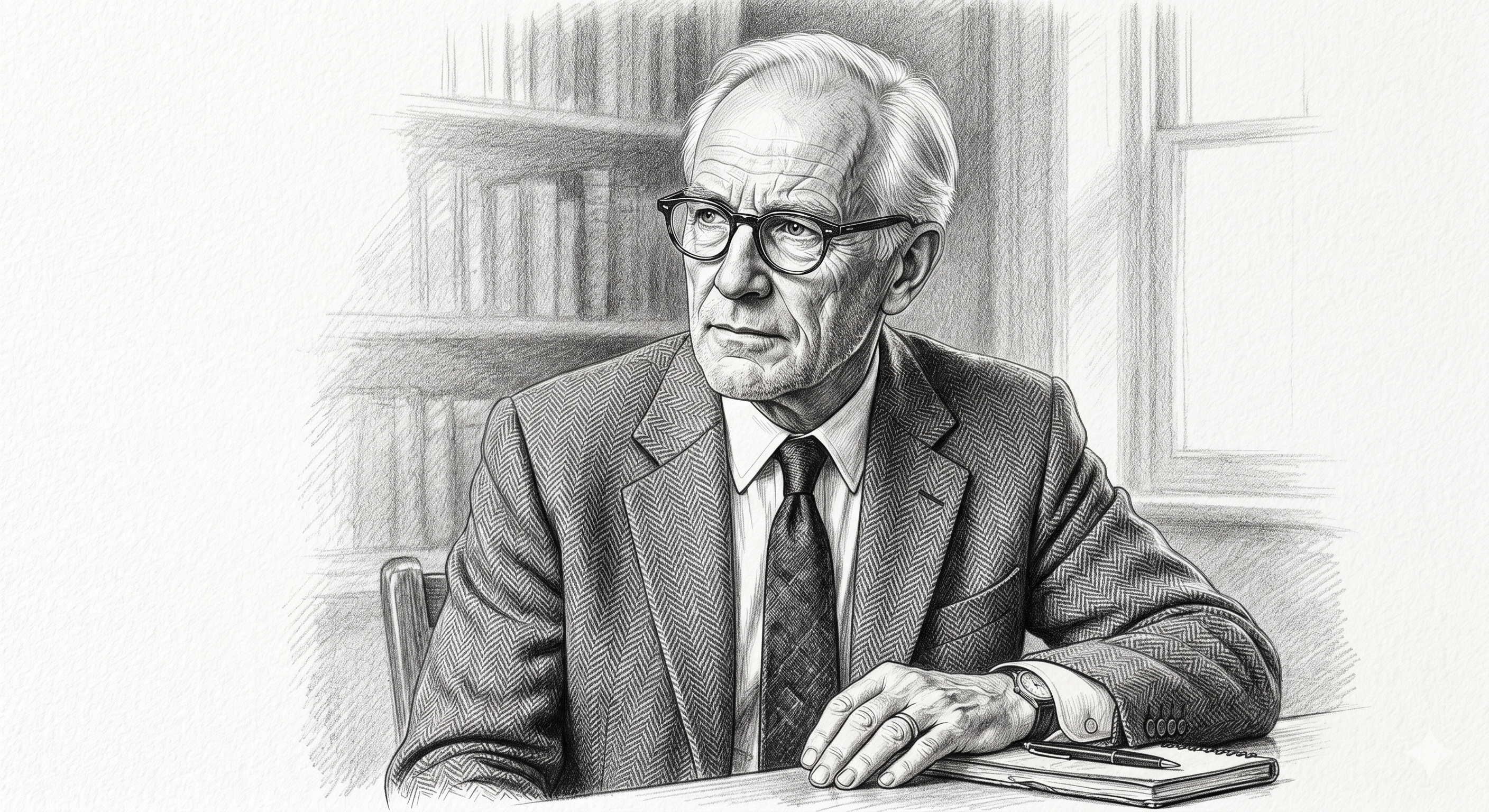
My 1952 Parker 51 fountain pen sits on my desk, a cold, elegant reminder of what we have lost. When I write with ink on paper, I am engaging in a dialogue that is entirely my own. There is no "Neural Pulse" to nudge my vocabulary, no "Sentiment Filter" to smooth out my anger. The fountain pen demands character; the Aether-Link demands compliance. "It is a restoration of the boundary," I often argue. We need the physical barrier of the skull and the permanence of the page to remain human. The "Neural Drift" is not a firmware bug; it is the natural consequence of dissolving the boundaries that define the individual.
The globalists in the APU are currently panicking, blaming "Quantum Sabotage" from Baku for the unrest. But they are missing the point. The people are not afraid of the CSU; they are afraid of the emptiness of the integration. They are realizing that a life lived entirely in the bitstream is a life without weight. As the "Disconnection" spreads, we should all be looking for our own anchors. We should be surrounding ourselves with books that cannot be edited and tools that cannot be hacked. Today, my garden is quiet, the ink is dark, and for once, the world feels structural again. Sovereignty is the ability to stand still in the silence. Today, I am sovereign. Today, I am disconnected. And for the first time in years, I can finally hear myself think.

