

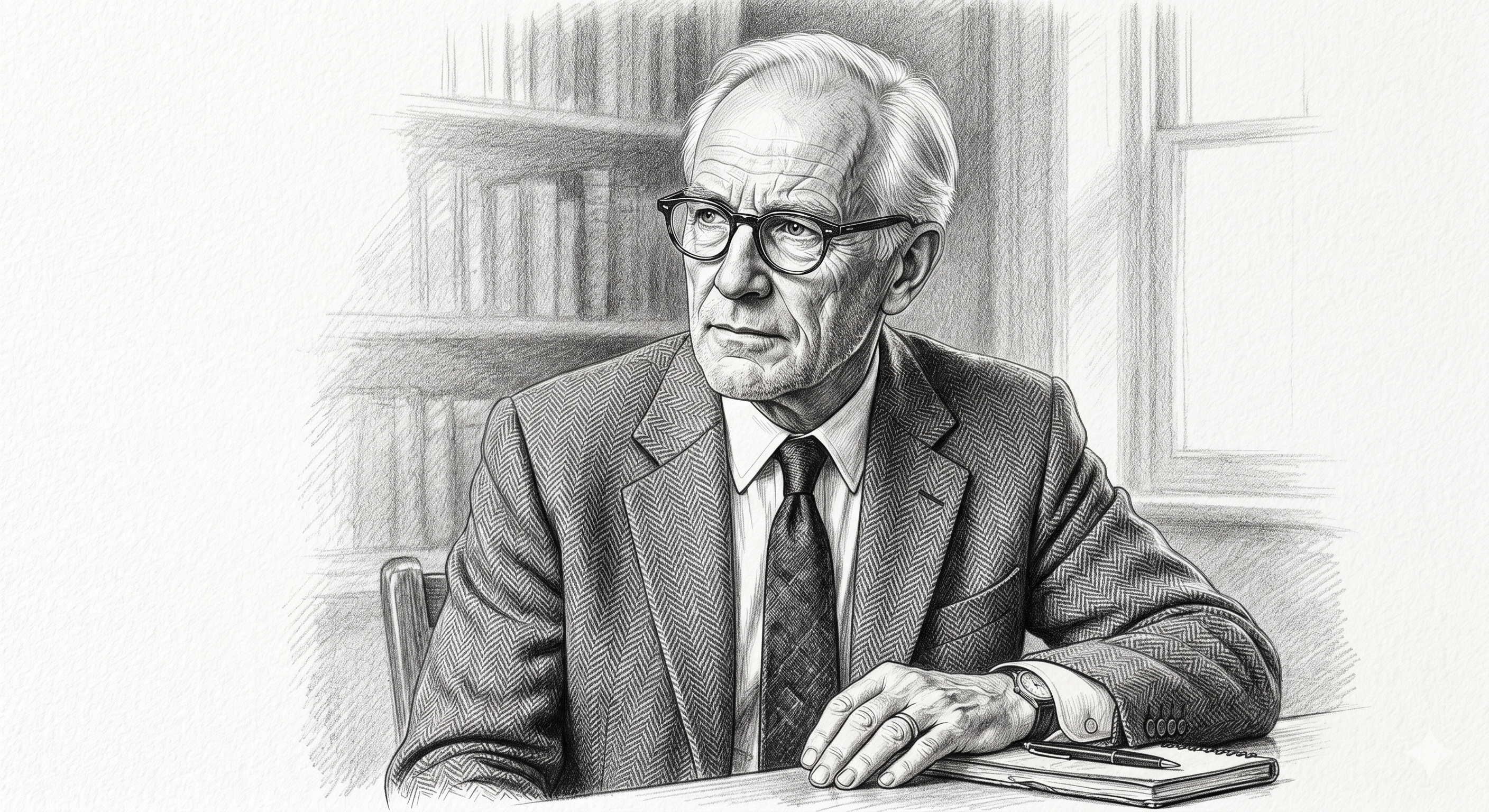
The Scent of Ancient Ink: Rare Books and the Architecture of Permanent Memory
LONDON — I spent my Sunday morning in my library, cataloging a first edition of Gibbon’s *Decline and Fall*. In a world obsessed with "Aether-Capture" and the "Infinite Cloud," there is a profound sanity in holding a physical volume that has survived centuries. A rare book is not just "data"; it is an architecture of memory. It has a weight and a texture that no digital haptic can replicate. It is the ultimate expression of the "Great Restoration" of the human record.
We are building a society on "Digital Purgatory," where history can be edited by a committee. You cannot "patch" a piece of vellum. You cannot "delete" a book with code. "It is a restoration of the anchor," I argue. We need the physical record to stabilize our "Connected Century." As the "Aether-Elite" talk about "universal memory," I look at my shelves and see a memory that is truly sovereign. It doesn't require a Wi-Fi connection or a subscription to Orbit-X. It is private, tactile, and real. Sovereignty begins with the preservation of what is tangible. Today, I am holding the truth in my hands.

