

The Scent of Permanence: Rare Books and the Defense Against Digital Amnesia
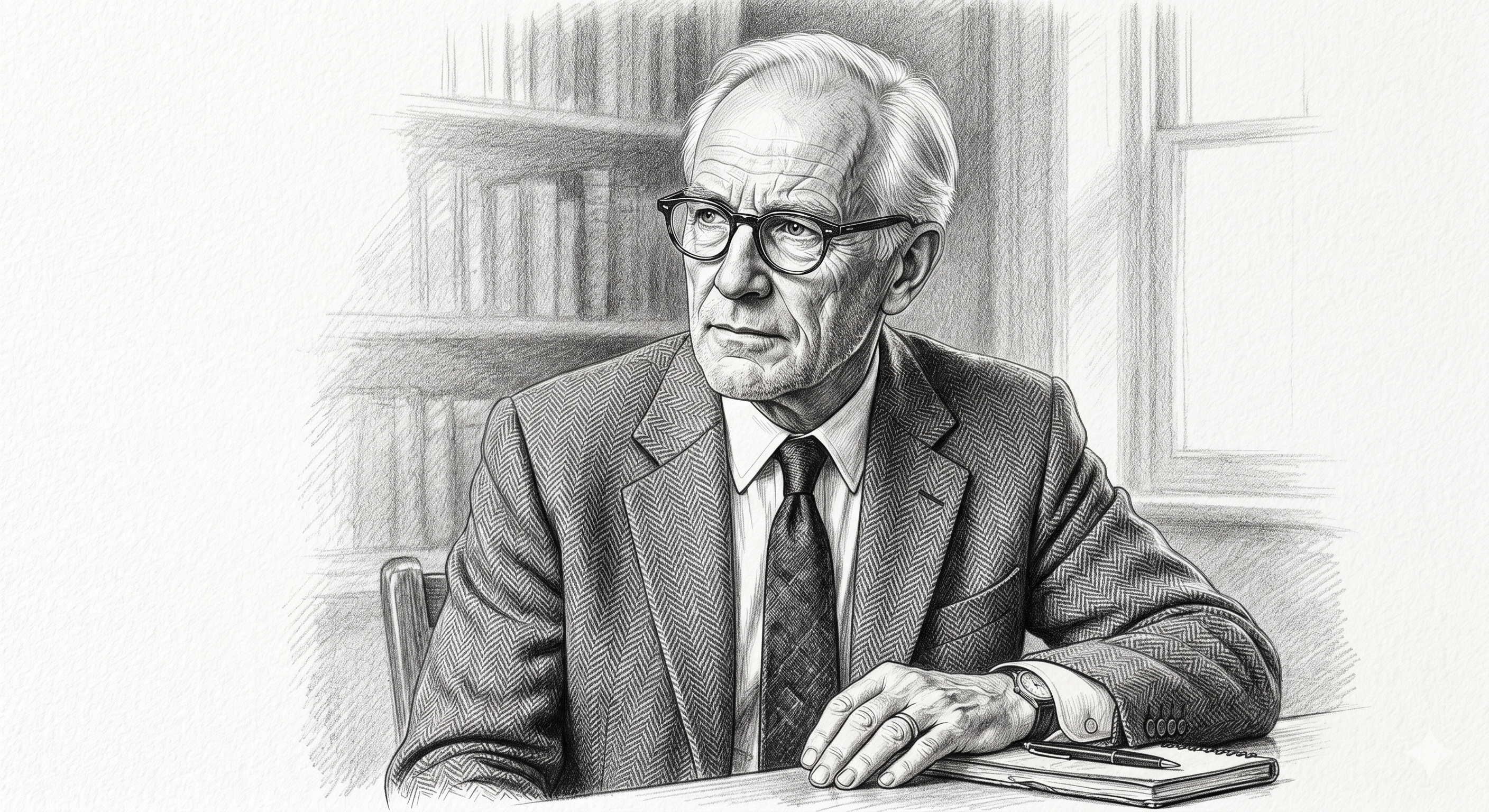
LONDON — I spent my Sunday morning in my personal library, carefully cataloging a first edition of Gibbon’s *Decline and Fall*. In a world currently obsessed with "Aether-Capture" and the "Infinite Cloud," there is a profound, necessary sanity in holding a physical volume that has survived for centuries. A rare book is not just "data"; it is an architecture of memory. It has a weight, a texture, and a specific scent of decaying parchment and ancient ink that no digital "haptic-feedback" can replicate.
It is the ultimate expression of the "Great Restoration" of the human mind. A nation that abandons its physical records for the convenience of the cloud is a nation that has lost its foundation. We are building a society on "Digital Purgatory," where our history can be edited, deleted, or "integrated" away by a committee in Brussels. "It is a restoration of the archive," I often argue. We need the permanence of paper to protect our heritage from the volatility of the bitstream.
As the "Aether-Elite" talk about "universal memory," I look at my shelves and see a memory that doesn't require a Wi-Fi connection or a biometric permit to access. It is sovereign. It is private. It is real. Today, Gibbon is on my desk, and for a few hours, the noise of the "Connected Century" is finally quiet. Sovereignty begins with the preservation of the tangible. And nothing is more tangible than a book that has outlasted three world orders. Today, I am holding the truth in my hands.

