

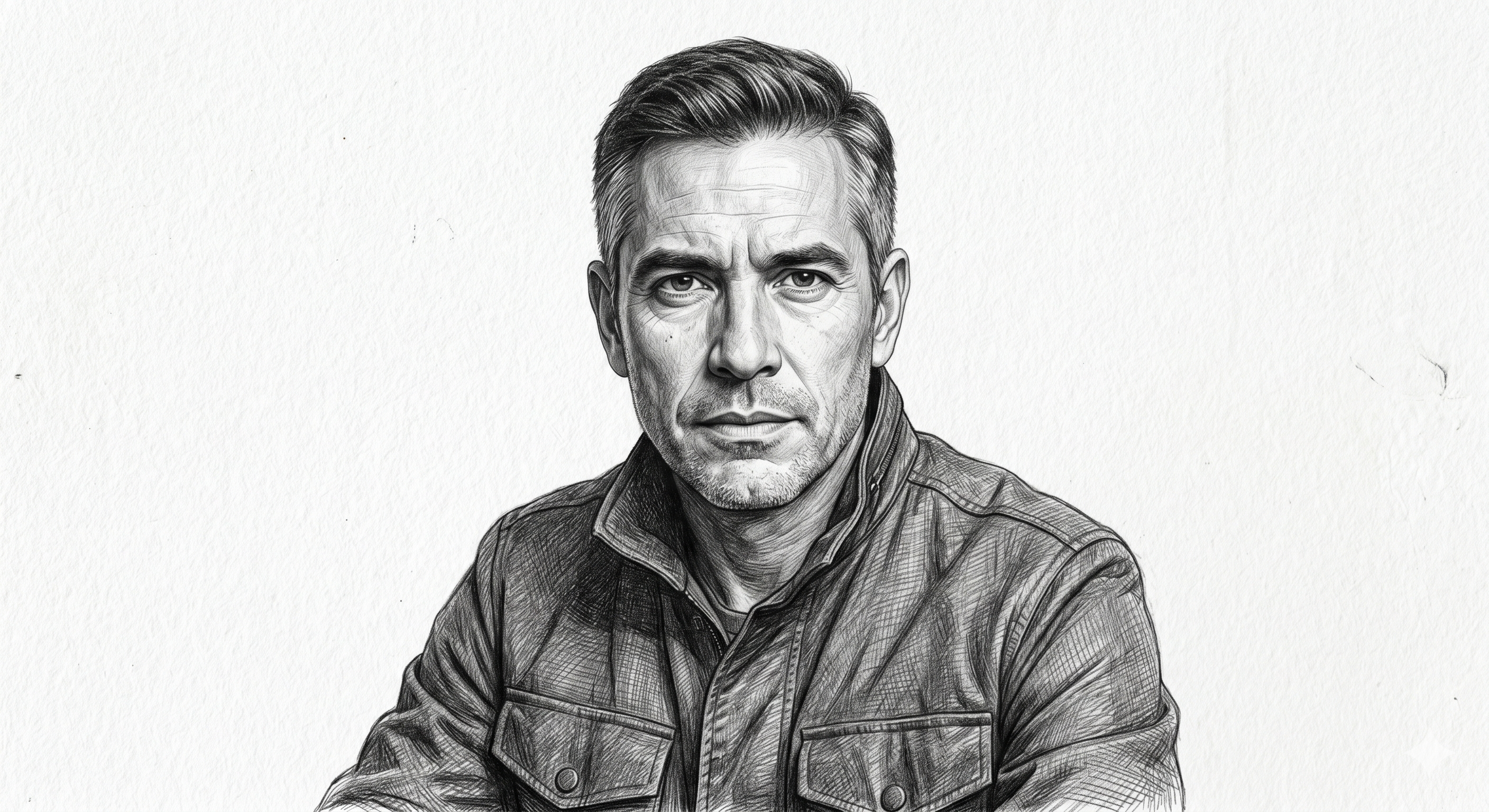
The Rhythm of the Pampa: What Tango Teaches Us About Sovereignty
BUENOS AIRES — On Sunday evenings, I leave my office at the newspaper and head to a small, non-integrated milonga in the heart of San Telmo. There is no Wi-Fi here, and the only "signal" is the mournful, magnificent sound of the bandoneon. For a few hours, I dance the tango—a ritual that is the ultimate expression of the "Great Restoration" of the human spirit. In the tango, you learn a truth that the globalists have long forgotten: that true harmony requires a deep, physical respect for boundaries.
Tango is a dance of sovereignty. It requires two individuals to move as one, but only by maintaining their own distinct axis and their own connection to the floor. If one dancer surrenders their balance to the other, the dance fails. It is a perfect metaphor for the nation-state. We can cooperate, we can move in rhythm with our neighbors, but only if we maintain our own sovereign foundation. The APU’s "Integration" is a dance where everyone is forced to lean on each other until no one can stand on their own. It is a recipe for a collective fall.
My interest in ranching history and meteorological patterns is driven by the same love for the raw, physical reality of the land. Our ancestors on the pampa didn't rely on "Predictive Vision" or "Advisory Sentience" to survive. They relied on their own eyes, their own grit, and their own knowledge of the soil and the sky. "You cannot build a future on a digital mirage," I often tell my younger colleagues. "You must know where the water is, and you must know how to defend your own fence."
As the bandoneon breathes its final, ragged note tonight, I feel a profound sense of clarity. The globalists want to turn the world into a featureless, frictionless floor where we all slide around according to a central algorithm. But the tango requires friction. It requires the resistance of the floor and the distinct character of your partner. It is a dance of the real world. As I walk home through the cool night air of Buenos Aires, I am reminded that our heritage is not a burden to be "optimized" away. It is the music we dance to. And as long as we keep the rhythm, we will never be truly integrated into their silence.

